Across most of East Asia, sun umbrellas are everyday equipment. In Tokyo, Seoul, and Hong Kong, you'll see them in offices, on commutes, at weddings. In India, they're almost invisible — outside of the very oldest generation. That's beginning to change, and the reasons are practical.
Indian summers are hotter than they were ten years ago, UV indexes are higher, and dermatologists in every major city are reporting more pigmentation and sun damage in patients in their 20s and 30s. Sunscreen is part of the answer. A good umbrella is the other half.
- Look for UPF 50+ on the canopy spec — anything lower is decorative.
- Darker canopy interiors reduce glare and reflected heat.
- A coated canopy that doubles as a sun and rain umbrella is the highest-value buy.
- Sun umbrellas drop ambient temperature under the canopy by 8–10°C compared to direct sun.
Why sun umbrellas, why now.
Three reasons.
- Average summer temperatures across Indian metros have risen 1.5–2°C over the last decade. The street is genuinely hotter, particularly in May and June.
- UV index regularly crosses 11 (the WHO's "extreme" threshold) in most of the country between March and September. Sunscreen alone is not full coverage; reapplication on a workday is unrealistic.
- The cultural barrier — sun umbrellas being seen as old-fashioned — is breaking down. Most younger Indians have seen them in everyday use abroad and the stigma is fading fast.
UPF — what to actually look for.
UPF (Ultraviolet Protection Factor) is the umbrella equivalent of SPF — it measures how much UV the canopy fabric blocks. The scale:
- UPF 15–24 — minimal protection. The umbrella is decorative; it blocks heat but lets UV through.
- UPF 25–39 — good. Blocks ~95% of UV. Acceptable for occasional use.
- UPF 40–50+ — excellent. Blocks 97.5% or more of UV. This is the spec to look for.
Any sun umbrella worth buying will specify a UPF on the spec sheet. If the brand doesn't list one, assume there's no real protection — and treat the canopy as a glorified shade.
Coatings, colour, canopy.
Coating matters more than colour
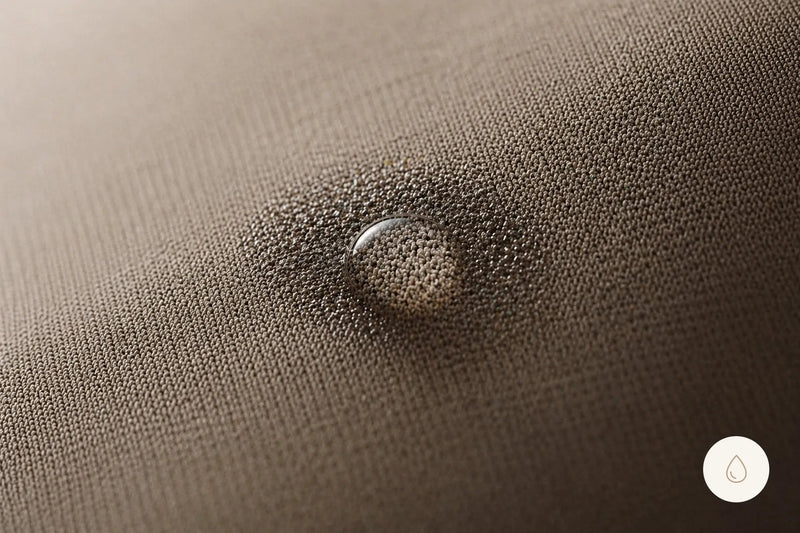
A UV-blocking polyurethane (PU) or silver-coated canopy will outperform a thicker uncoated fabric every time. The most effective sun umbrellas combine a tightly-woven dark canopy with a reflective silver underside — silver reflects UV back outward, the dark fabric absorbs the rest.
Darker interiors reduce glare
A pure white or pale interior canopy reflects light onto your face — useful for photography, less useful for an actual walk. A darker interior (charcoal, olive, midnight) reduces under-canopy glare and reflected heat. You'll feel the difference in ambient temperature.
Vented or solid?
For a sun umbrella that also handles rain (which, in India, is what you want), a vented canopy is essential. Pure sun umbrellas can skip the vent, but the moment one monsoon shower starts, you'll wish you hadn't.
"A sun umbrella drops ambient temperature under the canopy by 8–10°C compared to direct sun. That's the entire reason this category exists."— From the Love Pangolin Lab
When to choose it over sunscreen.
You don't. You use both. But an umbrella covers the situations sunscreen doesn't handle well:
- Long outdoor walks in midday sun (sunscreen wears off, an umbrella doesn't)
- Work days where you can't reapply
- Days when the heat itself is the problem — sunscreen blocks UV but not heat
- Protecting clothes and hair from sun damage, not just skin
What we make.
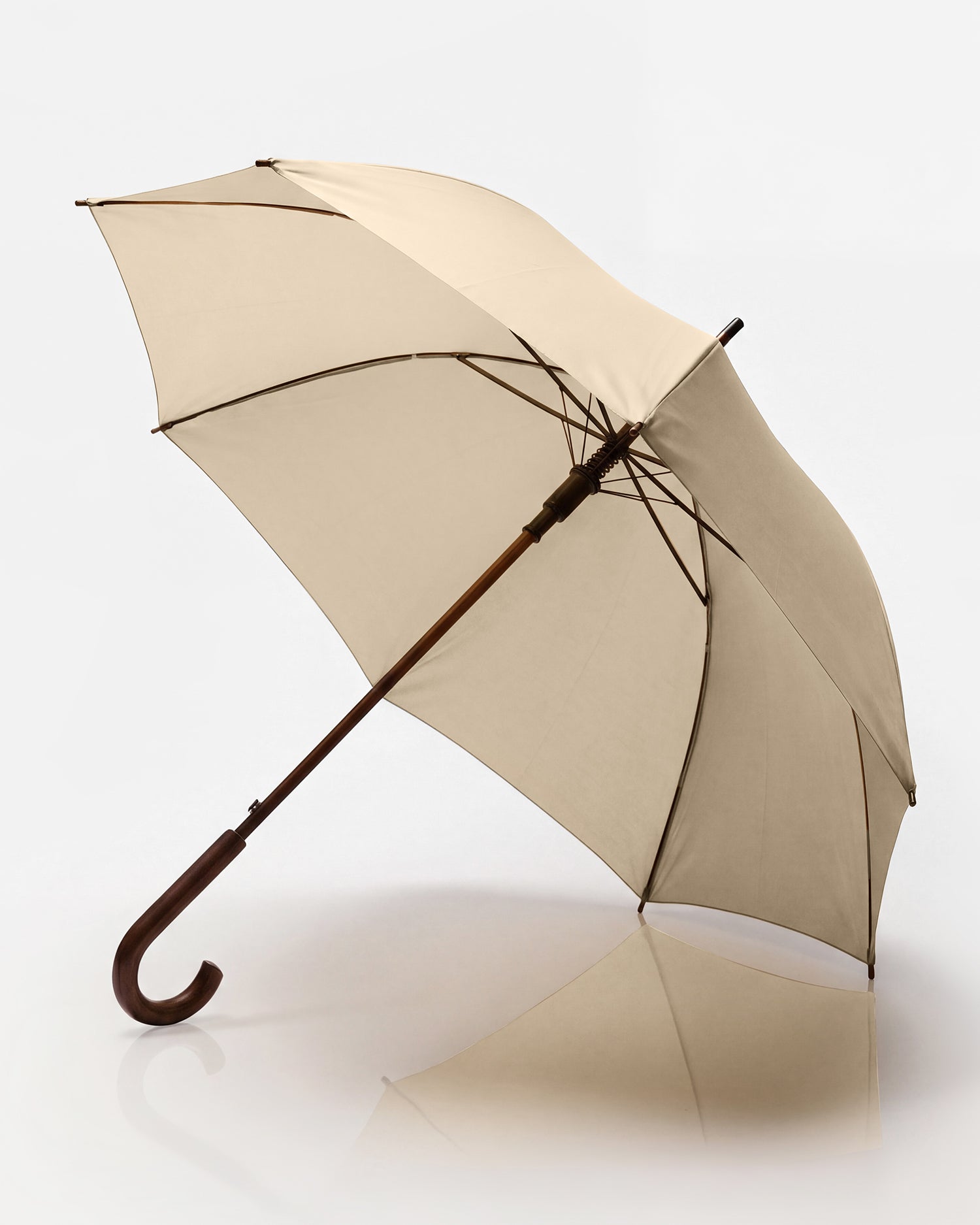
The Rainster Commuter is built for double duty. UPF 50+ DuraDry canopy with a coated interior, vented frame for monsoon use, wooden handle that grips wet or dry. One umbrella for both seasons, which is the way to think about an umbrella in India.
Shop the collection: Rainster Unisex Umbrellas →
Quick recap.
- UPF 50+ is the spec to look for. Anything lower is decorative.
- Coated canopy + dark interior + reflective underside = highest real-world UV protection.
- A vented canopy lets the umbrella double as sun and rain — the right buy for India.
- Sun umbrella + sunscreen is more reliable than either alone.