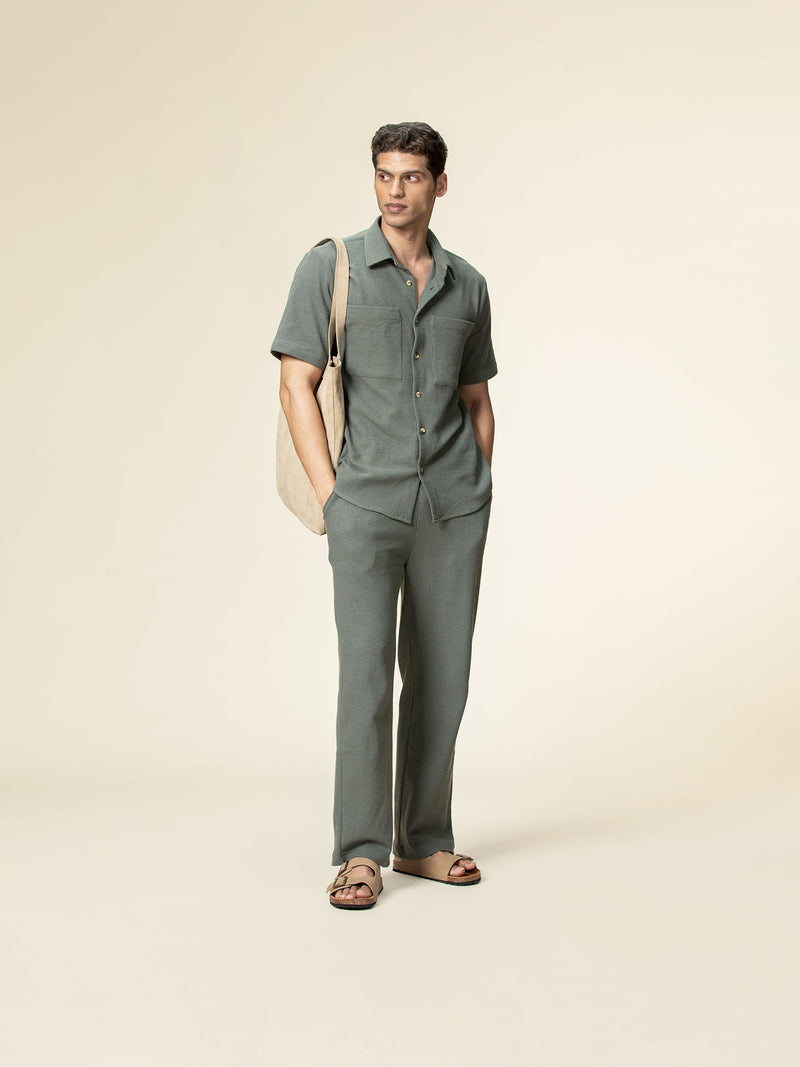
The shirt-jacket — "shacket" — is one of the most useful layers in a modern men's wardrobe. It's not quite a shirt and not quite a jacket, which is the entire point. It does the work of both, without the formality of either.
But the shacket is also one of the most confused categories in menswear. People search for "shacket men" and "mens overshirt" almost interchangeably, and brands use the words inconsistently. So before you buy one, it's worth understanding what each piece actually is, when each one wins, and what to look for in Indian conditions.
- A shacket is a shirt-jacket: heavier fabric, structured enough to act as outerwear.
- An overshirt is a shirt-style layer that drapes like a shirt. Lighter than a shacket. Easier to layer.
- Shacket for warmth without a full coat. Overshirt for a layer that disappears under a blazer or works alone over a tee.
What is a shacket, exactly?
The shacket — short for shirt-jacket — sits in the gap between a shirt and a light jacket. It usually has:
- A heavier fabric weight than a normal shirt — flannel, twill, brushed cotton, or technical performance fabric
- A shirt-style collar and front placket with buttons or a zip
- Chest pockets — sometimes patch pockets at the hip as well
- A relaxed, slightly boxy fit designed to be worn over other layers
The shacket is essentially outerwear in shirt form. You wear it the way you'd wear a light jacket — closed against cold, open over a tee, layered over a hoodie when it gets serious. It's the piece you grab when the temperature drops a few degrees but a full coat would be too much.

What is an overshirt, exactly?
An overshirt is a shirt-format layer worn over another top — typically a t-shirt, henley, or thin sweater. The defining word is over. It's not standalone outerwear; it's a layer.
Compared to a shacket:
- Lighter fabric weight
- More drape, less structure
- Wears closer to the body
- Works under a blazer or jacket without bulking up
Think of it as the missing layer between a t-shirt and a blazer. Too cold for just a tee, too warm for a full jacket — the overshirt is the answer.
"The shacket is morning wear. The overshirt is the all-day layer you keep on through office AC and tie around the waist when you step outside." — From the Love Pangolin Lab
When to wear a shacket vs an overshirt.
The decision tree is simple.
Reach for a shacket when
- You need actual warmth — early-morning commute, AC offices in monsoon, evening flights
- It's the only top layer you're wearing
- You want a relaxed silhouette
- The temperature is in the 18–25°C range and you don't want to commit to a jacket
Reach for an overshirt when
- You're layering it over a t-shirt and might add a jacket on top later
- You want the look of a structured shirt without the formality
- It needs to pack flat in a carry-on
- The temperature is in the 22–28°C range and you want a polished but easy look
In Indian conditions, this maps cleanly onto how the day moves. The shacket is morning wear when temperatures are a few degrees cooler than midday. The overshirt is the all-day layer you keep on through office AC and tie around the waist when you step outside.

Fabric matters more than fit. Especially for Indian weather.
The single most underrated thing about both garments is fabric weight and breathability. A cotton-flannel shacket is wonderful in Delhi in December and unwearable in Mumbai in July. A heavy overshirt in synthetic mix will trap heat and lose its shape after a few wears.
What we look for, and what we build into our own pieces:
- Breathable weave that allows airflow even when worn closed
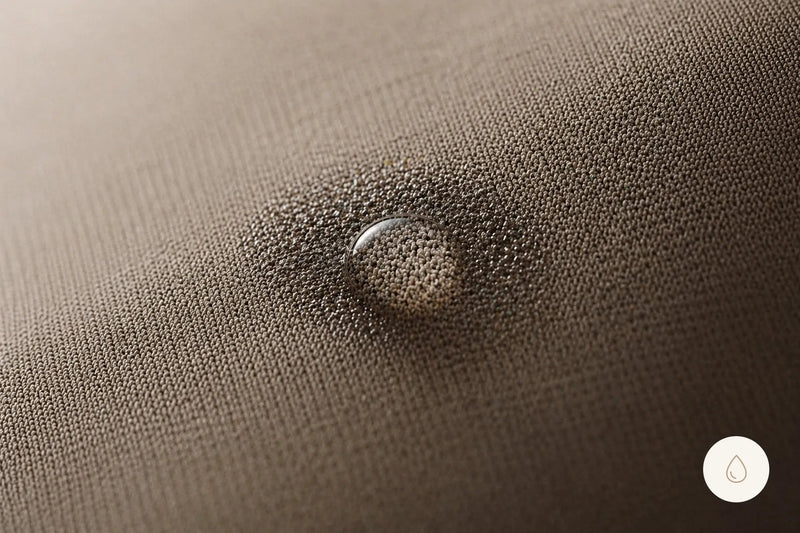
- Quick-drying so it survives a monsoon dash without ruining the rest of the day
- Stretch built into the weave so the silhouette holds across long days of wear
- Resistance to wrinkling so it looks composed five hours into a workday
Our PerfoLite fabric is engineered around these constraints — lightweight, breathable, structured enough to hold its form, but not so heavy that it traps heat. CloudSense regulates temperature and wicks moisture, which matters for the kind of weather where you go from 18°C AC to 32°C street in one elevator ride.
A note on fit.
Both shackets and overshirts should fit slightly looser than your regular shirt — they're meant to be worn over things. But "looser" doesn't mean "boxy." Look for:
- Shoulder seams that sit at the edge of your shoulder, not drooping down your arm
- Sleeves that hit your wristbone with room to push up
- Hem that sits at the bottom of your jeans pocket, not lower
- A body with enough room for a tee underneath without ballooning out at the sides
If you usually wear a medium, you'll likely still wear a medium in both — but the silhouette will sit differently.
What we make.
Love Pangolin's overshirts are designed around the Indian commute — built in PerfoLite for structure that breathes, cut for relaxed-modern fit, finished in Mumbai. They wear over a t-shirt for the daily commute, under a blazer when it gets cold, and tied at the waist on the flight back.
Shop the collection: Men's Overshirts →
Quick recap.
- Shacket = shirt-jacket. Heavier, structured, works as standalone outerwear.
- Overshirt = layer-shirt. Lighter, drapes well, made to wear over another top.
- In Indian conditions, fabric matters as much as cut. Look for breathable, quick-drying, low-wrinkle weaves.
- If you only buy one: the overshirt is more versatile across more weather. The shacket wins on the coldest days.