Most umbrellas fall apart in their first real monsoon. A canopy gust takes the frame inside-out, a rib snaps, or the cheap rubber grip gets sticky in two weeks. The umbrella you bought for ₹300 outside the station does not survive a Mumbai July.
Which is the problem. Most umbrella shopping in India happens in panic mode — it's pouring, you don't have one, you grab the nearest thing. So this is a guide written for the moment when it's not raining yet — when you can actually choose well.
- Frame: fibreglass ribs, not cheap steel. Eight high-quality ribs beat ten cheap ones.
- Canopy: polyester or pongee with PU/PTFE coating, plus a vent.
- Weight: pick to match use — compact for the bag, mid-size for daily commute.
- Mechanism: manual outlasts automatic in daily monsoon use.
Four things that actually matter.
1. Frame and ribs
This is the single most important spec, and the one you can't see from a photo. A cheap umbrella uses thin steel ribs that bend on the first strong gust. A good one uses fibreglass or a fibreglass-steel composite — flexible enough to bend in wind without snapping, springy enough to return to shape.
Eight ribs is the standard. Some heavy-weather umbrellas have nine or ten, which adds support but also weight. For Indian conditions, eight high-quality ribs beat ten cheap ones.
Check the joints. Each rib should connect to the frame with a rivet or a stitched hinge, not a plastic clip. The first thing that fails on a budget umbrella is usually a rib joint, not the fabric.
2. Canopy fabric and venting
The canopy is what stops the rain. The vent is what stops the umbrella from inverting in wind. They work together.
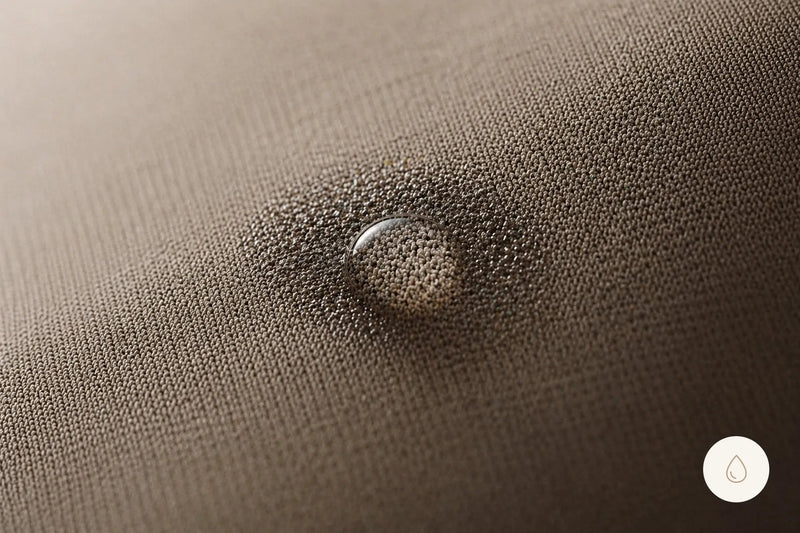
Look for polyester or pongee fabric with a water-repellent coating (PU or PTFE — the spec sheet will say). Cotton is romantic but soaks through. Cheap polyester without a coating just delays the wet by a few minutes.
A vented canopy — usually a small overlapping flap near the top — lets wind pass through instead of pushing up against the underside. If the umbrella is being marketed as "windproof," check for a vent. If there isn't one, the wind-resistance claim is marketing.
3. Weight and pack size
This is where the trade-offs live. A full-size umbrella protects two people and survives a Mumbai gust. A compact folding umbrella fits in a tote and never gets left at home. You probably need both.
Rough benchmarks for a quality umbrella:
- Compact / folding: 200–350 grams, ~25 cm folded, ~95 cm canopy when open
- Mid-size: 350–500 grams, ~60 cm long, ~105 cm canopy
- Full-size: 500–700 grams, ~85 cm long, ~115+ cm canopy
Anything lighter than these ranges has compromised on frame quality. Anything heavier is usually a beach or golf umbrella, which is a different category.
4. Handle and grip
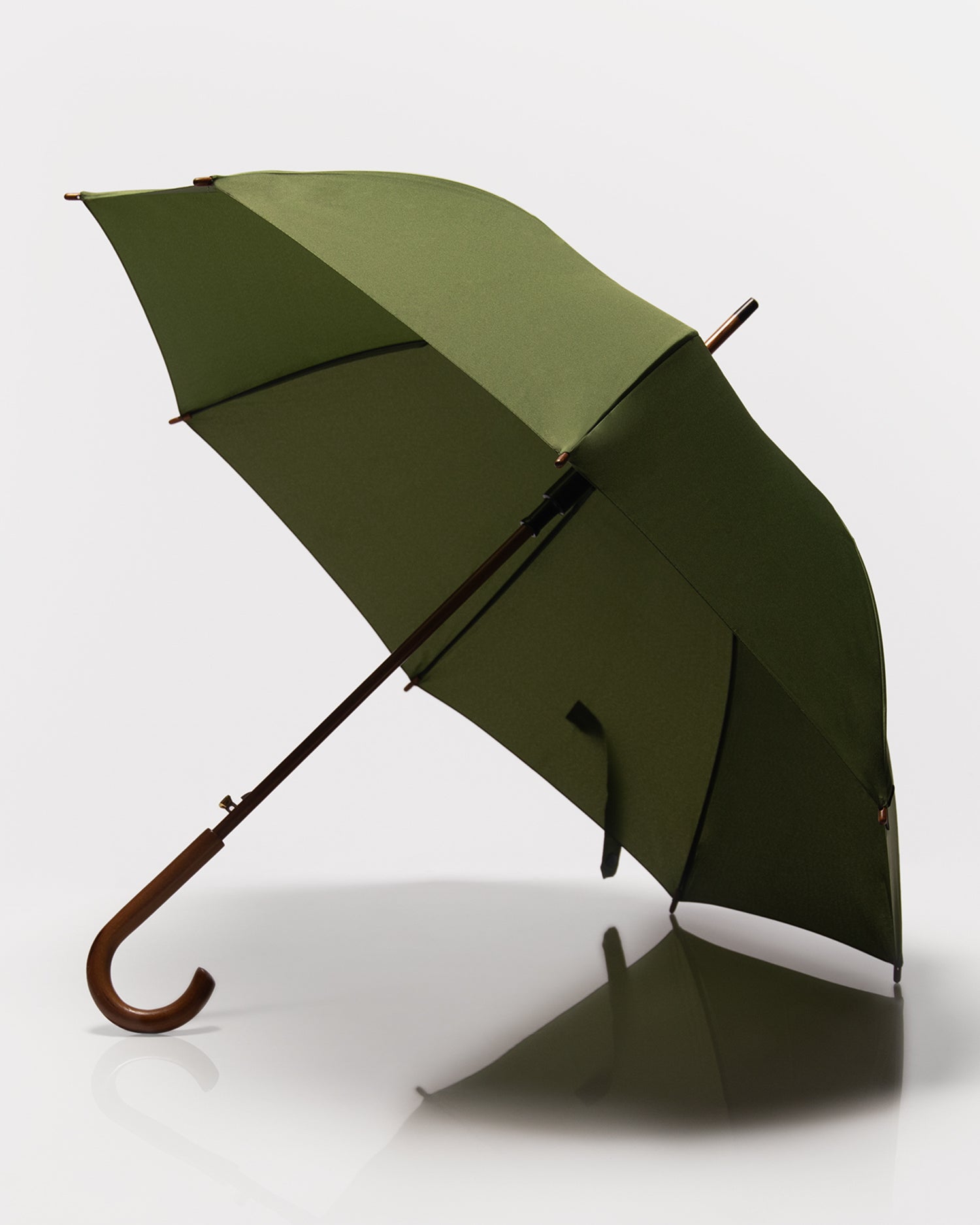
Underrated. A wet hand on a smooth plastic handle is a dropped umbrella. Look for rubberised, textured, or contoured grips. Wooden handles look great and grip well when wet — they're a sleeper good option if the joinery is solid.
"A vented canopy and a fibreglass frame are the two specs that separate a real umbrella from a station-platform umbrella. Everything else is comfort."— From the Love Pangolin Lab
Compact, folding, automatic — what's the difference?
Compact umbrella
Smallest folded length. Usually two- or three-fold construction. Best for carrying every day in a tote or backpack. The compromise is canopy size — you'll have one shoulder wet in heavy rain.
Folding umbrella
Slightly bigger than compact, usually two-fold. Heavier and bulkier, but the canopy is large enough to actually keep you and a bag dry. The right balance for most Indian commute cases — fits in a daypack, opens to a useful size.
Automatic vs manual
Automatic umbrellas pop open at a button press. Convenient when you're stepping out of a cab. The mechanism is a failure point — auto-open mechanisms wear out faster than manual ones. If you're going to use one umbrella every day for years, manual is the more reliable choice.
Auto-open / auto-close (two-button) umbrellas are even more convenient and even more prone to failure. Worth it for occasional use, not for daily monsoon use.
Travel umbrellas — and a note on flights.
If you fly often during monsoon months, a travel umbrella that fits inside hand luggage is worth owning specifically for the airport-to-cab transitions. Most compact umbrellas under 35 cm folded length will fit in a carry-on side pocket — no need to check it.
What we make.
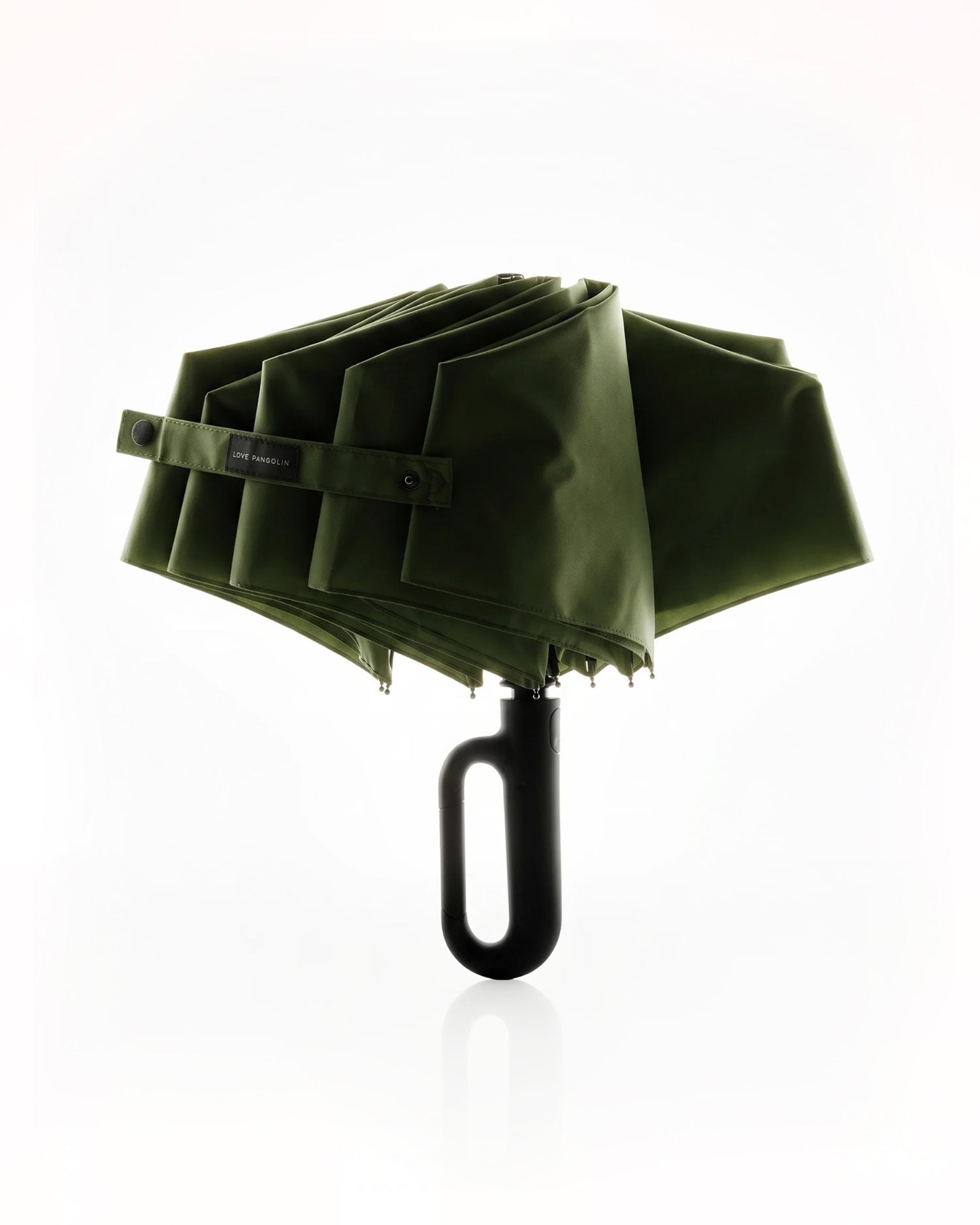
The Rainster is Love Pangolin's umbrella line — built for the way Indian monsoons actually behave. DuraDry™ canopies, fibreglass ribs, water-repellent coatings, rubberised and wooden handles. A small range covering compact, mid-size, and full-size, in colour and neutral.
Shop the collection: Rainster Unisex Umbrellas →
Quick recap.
- Fibreglass or composite ribs, not cheap steel. Eight is enough if they're good.
- Vented polyester or pongee canopy with PU or PTFE coating.
- Pick weight to match use case — compact for the bag, mid-size for the commute.
- Manual mechanism is more reliable than automatic for daily monsoon use.
- A good umbrella costs more than a cheap one but lasts ten times as long.